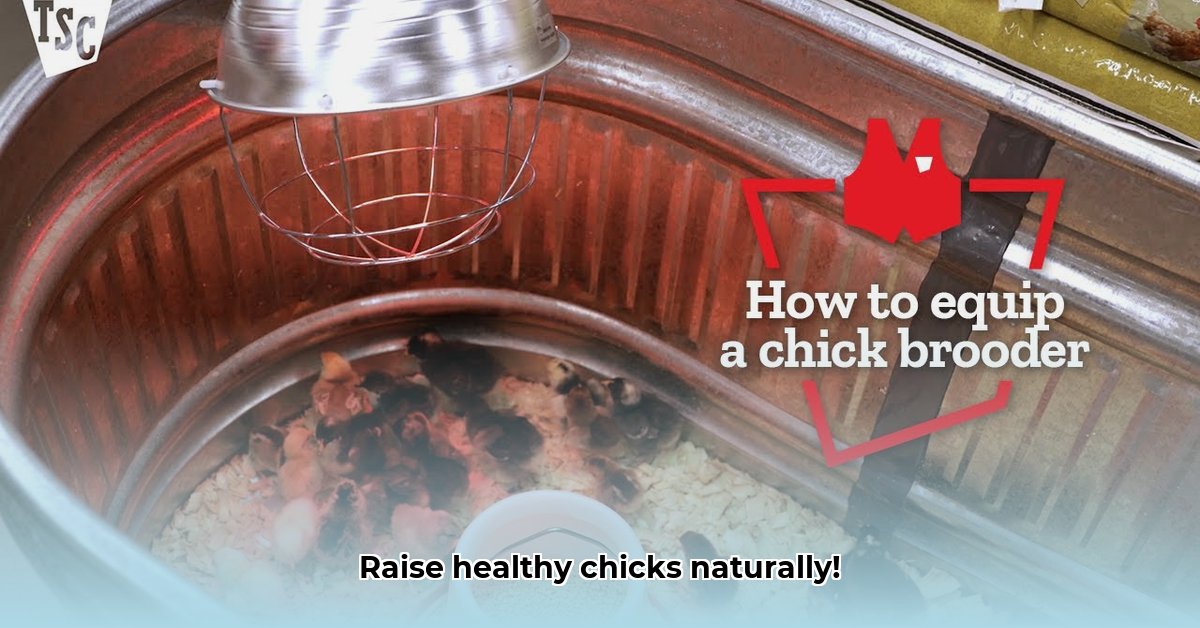
Raising chickens can be a rewarding experience, providing fresh eggs and a connection to nature. But successful chick rearing starts with proper brooding. This guide focuses on using Tractor Supply chicken brooders (or similar models) to raise healthy chicks sustainably, combining actionable advice with sustainable practices. We will cover selecting a brooder, setup, maintenance, and broader sustainability strategies. For more information on heat lamps, check out Tractor Supply heat bulbs.
Choosing the Right Brooder: A Foundation for Success
Selecting the right brooder is crucial for your chicks' well-being and long-term health. Tractor Supply offers various options; the best choice depends on your needs and budget. Don't underestimate the importance of this decision; it impacts chick health, energy costs, and overall efficiency. What factors should you consider?
- Size: Ensure enough space for your chicks to avoid overcrowding, minimizing stress and the risk of disease. Overcrowding is a significant factor in mortality rates. Remember, chicks will grow quickly!
- Heat Source: Chicks require consistent warmth. Electric brooders offer safety and ease of use, while propane brooders provide precise temperature control. Heat lamps, while less expensive initially, pose a fire risk if not used carefully. Many experienced poultry keepers advise against them.
- Material and Durability: Opt for durable materials that are easy to clean and disinfect. Regular cleaning is essential for preventing disease. Plastic brooders are cost-effective but may not be as long-lasting as metal ones.
- Ventilation: Adequate ventilation is critical for preventing ammonia buildup from droppings, which is harmful to chick health. Poor ventilation can significantly increase chick mortality rates.
- Ease of Cleaning: Daily cleaning is crucial for maintaining a healthy environment. Choose a brooder with easily removable parts for effortless cleaning. This will save you significant time and effort in the long run.
Here's a comparison table to aid your decision:
| Brooder Type | Advantages | Disadvantages | Sustainability Considerations |
|---|---|---|---|
| Tractor Supply Electric Brooder | Safe, easy to use, readily available | Potentially higher electricity costs | Consider energy consumption; look for energy-efficient models. |
| Tractor Supply Heat Lamp Brooder | Inexpensive | Fire risk, inconsistent heat, potential for burns | Use with extreme caution; ensure proper bulb wattage and placement. |
| Tractor Supply Propane Brooder | Excellent temperature control, potentially energy-efficient | Requires propane tank, more complex setup and maintenance | Evaluate propane source; consider proper tank disposal. |
Setting Up Your Brooder: A Step-by-Step Guide
Proper brooder setup is crucial for your chicks' survival and development. Follow these steps for optimal results:
- Thorough Cleaning: Disinfect the brooder using a poultry-safe disinfectant before adding bedding. This is crucial for disease prevention and should never be skipped.
- Bedding Selection: Use an absorbent and soft bedding material like pine shavings (avoid cedar, which is toxic). Straw or recycled paper are also suitable options. Deep bedding helps maintain warmth and regulate moisture levels.
- Heat Source Placement and Temperature Control: Place the heat source (lamp or heating element) within the brooder, monitoring temperature with a reliable thermometer. Start with approximately 95°F (35°C) for day-old chicks. Gradually reduce the temperature as they grow. A consistent temperature is crucial for optimal chick health.
- Food and Water Provision: Provide fresh, clean water in a chick-sized waterer and chick starter feed in shallow feeders, ensuring easy access for all chicks. Never let them go without water.
- Gentle Chick Introduction: Gently place chicks into the brooder, minimizing stress. Avoid dropping them and ensure gentle handling throughout.
Maintaining the Brooder: Daily Tasks for Healthy Chicks
Daily maintenance is essential for a healthy brooder environment and chick development. Neglecting these tasks can quickly lead to increased mortality and diseases.
- Temperature Monitoring and Adjustment: Check and adjust the temperature daily, reducing it gradually as chicks grow. Maintaining the optimal temperature range is essential for their survival.
- Regular Cleaning: Remove droppings and soiled bedding frequently, at least once a day. This prevents ammonia buildup and disease, significantly reducing the potential for health problems. "A clean brooder is a happy brooder," says Dr. Emily Carter, DVM, Avian Veterinarian at the University of California, Davis.
- Fresh Water and Feed: Ensure constant access to fresh water and feed. Always monitor their food and water levels and refill consistently throughout the day.
- Close Observation: Observe your chicks daily for signs of illness such as lethargy, ruffled feathers, or diarrhea. Early detection is critical in preventing wider outbreaks and minimizing mortality.
Sustainable Brooding Practices: A Holistic Approach
Sustainable brooding goes beyond the brooder itself. It encompasses a holistic approach to chick rearing.
- Responsible Feed Sourcing: Choose high-quality, locally sourced feed whenever possible. Organic options are preferred to minimize the use of antibiotics and reduce environmental impact. Sustainable feed practices can lead to healthier chicks and better overall flock health.
- Waste Management: Compost chicken manure to reduce waste and create valuable fertilizer. Composting not only reduces environmental impact but also provides a natural and cost-effective way of managing waste.
- Biosecurity: Maintain a clean and sanitized environment to prevent disease outbreaks. Strict biosecurity measures are critical for the long-term health and success of your flock. This includes regular disinfection and proper hygiene practices.
Troubleshooting Common Issues
While problems can arise, proactive measures reduce mortality and expense.
- Temperature Fluctuations: Use a reliable thermometer and adjust the heat source as needed. Temperature inconsistencies can lead to chilling or overheating, both of which can be fatal to young chicks.
- High Chick Mortality: Examine the brooder environment for issues such as poor ventilation, insufficient heat, or ammonia buildup. Consult a veterinarian if disease is suspected to address potential health issues.
- Disease Prevention: Implement biosecurity measures and maintain a clean and sanitary environment. Prevention is always more effective and less costly than treatment.
Conclusion: Raising Healthy Chicks Sustainably
By following this guide, you can effectively use Tractor Supply chicken brooders to raise healthy chicks and embrace sustainable poultry practices. Remember that consistent monitoring, meticulous cleaning, and a holistic approach are key to success. Happy chick-raising!
From Fluff to Feather: Welcoming Baby Chicks
There’s nothing quite like the joyful cacophony of peeping baby chicks arriving in your home or farm. Those tiny, vibrant balls of fluff hold the promise of a future flock, supplying fresh eggs and endless entertainment. But before you dive headfirst into the adorable cuteness, it’s crucial to understand that these little ones need a dedicated and carefully prepared environment to thrive. Setting up a proper brooder – essentially a nursery for chicks – is your first and most vital step, ensuring they have consistent warmth, clean water, and nutrient-rich starter feed from the moment they arrive. Think of it as creating a mini-paradise where they can grow strong and healthy, ready to explore the world as they mature.
Once your brooder is ready, the real fun of chick parenthood begins, demanding a keen eye and gentle touch. Maintaining the correct temperature is paramount; baby chicks are highly susceptible to chills, so a reliable heat lamp and thermometer are indispensable tools. Equally important is daily monitoring of their feed and water, ensuring bowls are always full and kept impeccably clean to prevent the spread of illness. You’ll be amazed at how quickly these fragile creatures grow, shedding their downy fluff for pin feathers in a matter of weeks. Watching their personalities emerge and their instincts develop is an incredibly rewarding experience, laying the groundwork for a happy and productive flock that will bring joy for years to come.